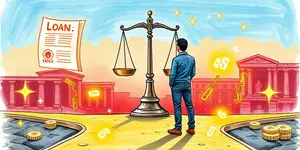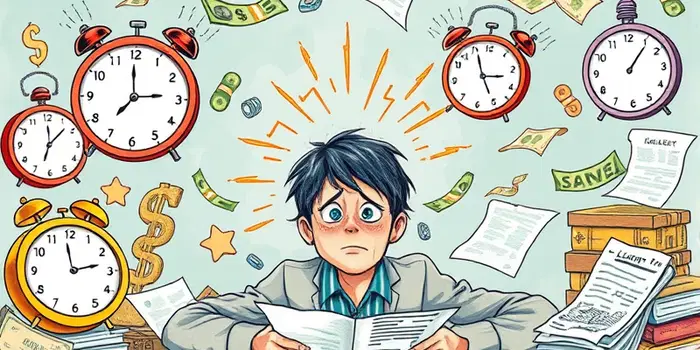
In an ideal world, unexpected expenses would never upend our budgets or force difficult choices. Yet emergencies—from sudden medical bills to urgent car repairs—happen without warning. When you face a mounting balance due tomorrow, an emergency loan can offer relief in hours instead of weeks. But fast funding often means higher cost, and a quick fix can spiral into lasting debt if you borrow without a clear plan.
This guide will help you navigate the maze of emergency borrowing options, compare costs beyond monthly payments, and explore alternatives that can protect your financial health. By compare the total cost of each path and weighing trade-offs, you can choose a solution that solves your immediate need without creating new problems.
Why Emergency Borrowing Matters
According to the Federal Reserve’s 2024 household survey, 63 percent of U.S. adults could cover a hypothetical $400 emergency using cash, savings, or a credit card paid off on the next statement. That leaves more than one in three people facing a difficult gap if a sudden expense arises.
- 15 percent: Pay with a credit card and carry a balance
- 10 percent: Borrow from family or friends
- 7 percent: Sell possessions
- 3 percent: Use a bank loan or line of credit
- 2 percent: Rely on payday loans, deposit advances, or overdraft services
- 13 percent: Unable to cover the expense immediately
Emergencies can include medical bills, car repairs to get to work, rent shortfalls, utility shutoffs, home or childcare costs, insurance deductibles, or funeral expenses. Recognizing a genuine emergency versus a nonessential purchase is crucial. When your health, housing, or job is at stake, borrowing may be defensible; when wants are driving the decision, other strategies should come first.
Types of Emergency Loans
The term emergency loan often highlights speed or marketing rather than affordability. Common products include:
- Personal loans from banks, credit unions, or online lenders
- Payday loans and deposit advances
- Credit-card cash advances
- Lines of credit and overdraft services
- Car-title loans
- Buy-now, pay-later financing
- Employer paycheck advances
- Community or nonprofit small-dollar loans
Each option can promise same-day funding, but that promise does not guarantee an affordable solution. High approval speed often pairs with steep interest rates, hidden fees, or strict collateral requirements.
Comparing Your Options
When speed is important, the most critical questions are not how quickly you get money but:
- Amount received after fees and charges
- Total finance charges and APR
- Repayment schedule and due dates
- Collateral or credit requirements
- Risk of rolling over or renewing balances
Borrowers who focus on a low monthly payment can overlook an escalating total repayment amount. To avoid surprises, calculate the full cost of borrowing before you sign any agreement.
Evaluating Common Products
Personal loans generally provide a lump sum repaid in fixed installments over several months or years. Advantages include predictable monthly payments and term, potentially lower APR than short-term loans, and no collateral if unsecured. Disadvantages can include origination fees, credit checks, and requirements for proof of income that delay funding.
Bank and credit-union loans often charge lower rates, especially for existing customers. Many credit unions offer small-dollar loans or Payday Alternative Loans with caps on fees and APR. Before borrowing, ask about membership requirements, application fees, and whether repayments are automatically withdrawn from your account.
Payday loans are typically for amounts under $500 and due within two to four weeks. Fees often range from $10 to $30 per $100 borrowed—equivalent to APRs above 300 percent. Rolling over a payday loan doubles or triples your cost without reducing the principal, trapping borrowers in a cycle of debt.
Car-title loans use your vehicle as collateral. Lenders may charge monthly finance fees as high as 25 percent, plus origination and processing costs. Defaulting can lead to repossession and loss of transportation, jeopardizing employment and income.
Credit-card cash advances can be fast if you have an available limit, but they usually incur a cash-advance fee, higher APR than purchases, and immediate interest accrual. Always compare the cost of a purchase versus a cash advance if you plan to use a credit card.
Alternatives to High-Cost Borrowing
Before taking on a high-cost product, consider non-loan solutions:
- Tap an emergency fund or savings account
- Borrow from family or friends on clear terms
- Sell unneeded assets or negotiate with creditors
- Seek assistance from nonprofits or community programs
- Delay nonessential purchases until cash is available
Building even a small safety net can prevent repeat borrowing. Focus on creating a buffer that covers at least one week of basic expenses.
Final Thoughts
Life’s uncertainties can force us into immediate borrowing. By borrow only what is necessary and carefully weigh fees and risks, you can choose a path that resolves your emergency without creating a lasting burden. Remember that an emergency loan is a tool, not a solution. Pair borrowing with proactive budgeting, building savings, and exploring community resources. Structured planning today can lead to greater resilience tomorrow, turning crisis into opportunity and empowerment.
References
- https://www.federalreserve.gov/publications/2025-economic-well-being-of-us-households-in-2024-savings-and-investments.htm
- https://www.federalreserve.gov/consumerscommunities/sheddataviz/unexpectedexpenses-table.html
- https://www.federalreserve.gov/newsevents/pressreleases/other20250528a.htm
- https://consumer.ftc.gov/articles/what-know-about-payday-and-car-title-loans
- https://www.federalreserve.gov/newsevents/pressreleases/other20260513a.htm
- https://www.stlouisfed.org/publications/page-one-economics/2025/sep/when-unexpected-happens-be-ready-with-emergency-fund
- https://www.consumerfinance.gov/ask-cfpb/should-i-get-a-payday-loan-if-i-need-money-now-en-1583/
- https://www.federalreserve.gov/publications/2026-economic-well-being-of-us-households-in-2025-savings-investments.htm
- https://consumer.ftc.gov/consumer-alerts/2024/10/need-cash-quick-payday-loan-may-not-be-your-best-interest
- https://fred.stlouisfed.org/series/UNEXPECTEDEXPENSESADULTSN
- https://consumer.ftc.gov/consumer-alerts/2020/08/paying-high-cost-payday-loans
- https://consumer.ftc.gov/consumer-alerts/2020/05/paying-and-paying-and-paying-payday-loans
- https://fred.stlouisfed.org/series/UNEXPECTEDEXPENSES3044
- https://www.federalreserve.gov/consumerscommunities/sheddataviz/unexpectedexpenses.html