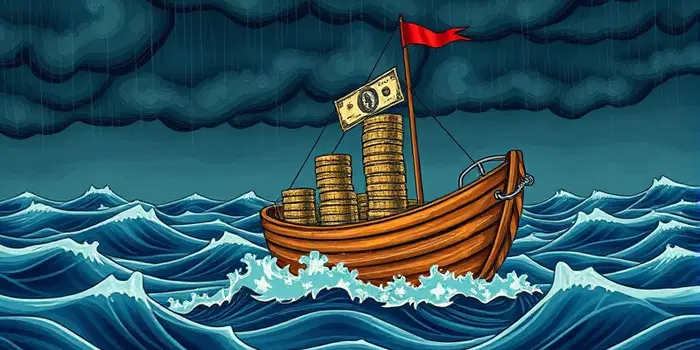
Every journey toward financial freedom begins with a single, deliberate step: setting aside cash for unexpected storms. An effective liquidity and stability solution isn’t built overnight, but each dollar saved brings you closer to a fortress of confidence. In this article, you’ll discover why a well-stocked emergency fund matters, how to calculate your ideal target, and practical rules to keep your reserves intact.
Why Emergency Funds Matter
Life is unpredictable. A sudden job loss, an urgent medical bill, or an unexpected car repair can derail long-term goals in an instant. An emergency fund acts like self-insurance against financial disasters, giving you the breathing room to respond calmly rather than react out of panic.
With a cushion of cash, you avoid the high interest rates of payday loans, the stress of credit-card debt, and the regret of selling investments at a loss. More than a savings account, it is time to make better decisions under pressure—allowing you to protect what matters most.
The Cost of Skipping a Cash Reserve
Without an emergency fund, unexpected costs become crises. Credit-card balances can spiral out of control overnight. Loans meant to bridge gaps often carry ruinous fees. Even missed rent or utility payments can trigger late fees, harming your credit score and peace of mind.
By contrast, a ready fund prevents these downward spirals, shielding your long-term plans from short-term disruptions. Accepting a small opportunity cost—cash often earns less than stock investments—in exchange for protection against large financial damage is a trade-off many call priceless.
Setting Your Savings Target
The cornerstone calculation is simple: monthly essential expenses multiplied by months of coverage. Begin with a small buffer and build progressively.
For someone with $2,000 in essential expenses, a three-month reserve equals $6,000. But these thresholds are guidelines, not rigid rules. Tailor your goal to your unique risks and responsibilities.
Who Needs More—or Less—Coverage?
Not everyone fits the three-to-six-month mold. Freelancers, commission-based earners, or households with a single breadwinner may require up to twelve months of savings. On the other hand, dual-income families with low fixed costs and robust insurance might safely start with a smaller temporary fund.
Whatever your choice, remember: it’s a temporary or risk-based choice, not a free pass to neglect emergency planning entirely.
Calculating Essential Expenses
Determining your actual monthly cost requires tracking every dollar. Review bank statements and receipts over a 30–60-day period. Include unavoidable bills that may not appear in ordinary transactions.
Essential expenses often include:
- Rent or mortgage payments
- Utilities and basic communications
- Groceries and household supplies
- Health, auto, and home insurance premiums
- Minimum debt payments
- Transportation costs (fuel, insurance, maintenance)
- Childcare or dependent-care expenses
During an emergency, most discretionary costs—dining out, streaming services, vacations—can be paused. Your true aim is to cover the essential monthly operating budget that keeps life moving.
Defining Your Emergency Rules
Clarity is key. Decide in advance what qualifies as an emergency to avoid dipping into savings for every impulse. Your fund is reserved for real crises, not lifestyle upgrades.
Appropriate uses include:
- Job loss or sudden income interruption
- Urgent medical, dental, or prescription costs
- Essential car or home repairs
- Insurance deductibles after covered losses
- Emergency travel for critical situations
Non-emergencies—or predictable future costs in separate accounts—should be funded through sinking funds. Routine maintenance, holidays, and investments deserve their own dedicated savings buckets.
Building Momentum and Staying Motivated
Saving regularly transforms a daunting goal into manageable milestones. Automate transfers into a high-yield savings account. Celebrate each milestone: the first $500, the first month’s worth, and so on.
Visual reminders—a chart on the fridge or an app that tracks progress—ignite excitement. Share your goal with a trusted friend or community for accountability and encouragement.
Embracing the Security Mindset
A bulletproof emergency fund is more than a number in an account. It represents confidence in the face of uncertainty. Each contribution is an act of self-care and foresight, a tangible step toward resilience.
When life’s storms arrive, you’ll be ready. No panic calls, no high-interest debt, no forced sacrifices. Just the comfort of knowing you built a safety net strong enough to catch you—and propel you forward.
Start today. Even a small deposit fuels momentum. Over time, your fund will grow into the bedrock of financial peace and freedom you deserve.
References
- https://www.federalreserve.gov/publications/2026-economic-well-being-of-us-households-in-2025-savings-investments.htm
- https://www.federalreserve.gov/consumerscommunities/sheddataviz/emergency-savings-table.html
- https://www.stlouisfed.org/publications/page-one-economics/2025/sep/when-unexpected-happens-be-ready-with-emergency-fund
- https://www.bankrate.com/data-center/how-much-emergency-savings/
- https://www.cbsnews.com/news/saving-money-emergency-expenses-2025/
- https://econofact.org/factbrief/fact-check-do-a-majority-of-americans-have-less-than-1000-saved
- https://www.federalreserve.gov/publications/2025-economic-well-being-of-us-households-in-2024-savings-and-investments.htm
- https://fortune.com/article/bankrate-emergency-savings-report-2025/
- https://www.usbank.com/financial-education/save/how-to-build-emergency-fund.html
- https://www.chase.com/personal/investments/learning-and-insights/article/save-for-an-emergency-before-investing
- https://www.federalreserve.gov/publications/2026-economic-well-being-of-us-households-in-2025-executive-summary.htm
- https://finance.yahoo.com/news/average-amount-u-savings-accounts-195054018.html
- https://fred.stlouisfed.org/series/EMERGENCYSAVINGSALLADULTS
- https://www.chase.com/personal/banking/education/budgeting-saving/how-much-should-i-have-in-emergency-fund