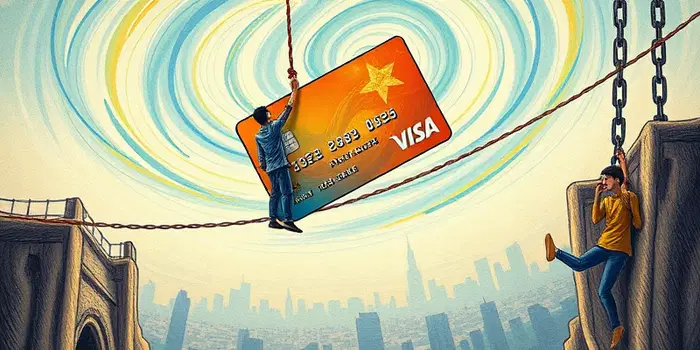
When a sudden crisis—like a car failure, medical scare, or home disaster—disrupts your budget, the plastic in your wallet can feel like a lifeline. Yet, the decision to swipe a credit card can lead to relief or regret. Balancing immediate need against long-term cost requires both awareness and planning.
According to the Federal Reserve’s 2025 survey, 59% of U.S. adults faced at least one major unexpected expense in the past year. Vehicle repairs topped the list at 30%, followed by home or appliance fixes at 22%, and medical bills at 21%.
Moreover, while 63% say they could handle a $400 emergency through cash, savings, or a quick card repayment, the remaining 37% would resort to borrowing or selling assets. This divide highlights a critical question: can credit cards serve as a genuine emergency and a repayment plan without becoming financial anchors?
Understanding Emergencies vs Predictable Costs
Not all large bills qualify as emergencies. True crises demand instant response to prevent severe consequences, whereas foreseeable or discretionary outlays should be anticipated and saved for.
Genuine emergencies often include:
- Emergency medical treatments and surprise hospital charges.
- Major vehicle repairs when transportation is essential for employment.
- Urgent home repairs such as burst pipes, roof leaks, or HVAC failures.
- Critical work-related equipment replacement after sudden breakdowns.
- Temporary living expenses following involuntary job loss or displacement.
On the other hand, non-emergencies encompass predictable or optional spending: annual insurance premiums can be budgeted; vacations and gifts, while important, are discretionary; and ongoing deficits in rent, utilities, or groceries often signal a structural shortfall rather than a one-time shock.
Using credit cards for routine cash-flow gaps can mask the need for a budget overhaul. Rather than relying on revolving credit for essentials each month, households benefit from systematic savings and expense tracking to meet recurring obligations.
The Safety Net: When Cards Shine
Credit cards can offer immediate access to vital funds when timing is critical. Approvals often happen within days, and funds are available the moment the card is activated. This speed can mean the difference between a working car and missed shifts, or between securing emergency medical care and facing delayed treatment.
Compared against high-cost alternatives—like payday loans, title loans, or bank overdrafts—cards can provide potentially lower cost than alternatives. When used for purchases rather than cash advances, many cards offer promotional 0% APR deals or interest-free grace periods that can last 20 to 30 days.
Plus, credit cards often include purchase protections and dispute rights. Consumers may receive extended warranties, return protection, travel accident insurance, and coverage for damaged or stolen goods. These features mitigate risk and can even save money by covering repair or replacement costs.
Importantly, if the statement balance is paid in full each month, the APR may not apply at all—a strategy that avoids interest and prevents emergency borrowing from turning into an expensive loan.
For many, a well-managed card can also support credit-building goals. A temporary increase in utilization, when followed by prompt payoff, demonstrates responsible debt use. By contrast, missed payments or persistent high balances can damage scores, so discipline is key.
Before relying on a card, review the issuer’s terms carefully. Grace periods, fee structures, and APR tiers differ widely. Understanding variable-rate conditions and fees can prevent surprise costs and ensure that emergency borrowing remains manageable.
The Trap: How Debt Spirals Start
Despite benefits, credit-card emergencies often backfire when balances linger. As of 2026, the average purchase APR stood at 22.15%, with cash-advance rates and fees usually higher.
Consider a hypothetical example: charging $2,000 at 22% APR. If only the $50 minimum payment is made each month—and no new charges are added—the debt can persist for over five years, accruing more than $1,100 in interest.
The table above illustrates how small payments can prolong debt. In this scenario, the minimum-payment illusion can be dangerous, lulling cardholders into a false sense of affordability while the debt snowballs.
Adding to the peril, many emergency borrowers lack a cash reserve. When a second sudden expense appears, they may resort to:
- Charging more on the same card.
- Opening another high-rate card.
- Borrowing from predatory or unregulated lenders.
- Missing critical bill payments altogether.
Compounding vulnerability worsens with variable-rate APRs tied to indexes like the prime rate. When the Federal Reserve raises rates, your card interest may rise too, escalating the balance without additional spending. Meanwhile, fees for late or returned payments can tack on $25 to $40 per incident, adding further strain.
Smart Strategies for Using Cards in Emergencies
Despite pitfalls, credit cards can serve well in true emergencies if used judiciously. The cornerstone of prudent use is having a realistic repayment plan is essential before charging a cent.
- Pay the full statement balance by the due date whenever possible to maximize grace periods and avoid interest.
- Steer clear of cash advances and balance transfers unless absolutely necessary—fees and higher APRs often outweigh convenience.
- Set alerts, automatic payments, or calendar reminders to ensure on-time payments and prevent late fees and credit damage.
- Build a small, dedicated emergency fund—even a few hundred dollars can reduce reliance on credit for minor shocks.
- Shop for cards with promotional APR offers or lower ongoing rates, and track expiration dates carefully.
If you already carry debt, consider calling your card issuer. Many providers offer hardship programs or temporary APR reductions for customers facing genuine emergencies. Negotiating a lower rate can shorten the repayment period and reduce stress.
When credit cards are unsuitable or insufficient, explore community resources, sliding-scale medical clinics, employer-provided assistance, or small personal loans with transparent terms. Each option should be weighed for total cost, speed, and long-term impact on credit health.
Regularly monitoring credit reports and scores helps you spot negative trends before they escalate. Tools and apps that categorize spending, send alerts for upcoming bills, and project payoff timelines can transform reactive borrowing into proactive planning.
Credit cards for emergencies are neither universally good nor inherently bad. They can provide a lifeline when unexpected costs threaten financial stability, but they require careful planning and disciplined repayment habits to avoid becoming debt traps.
By distinguishing genuine crises from routine spending, understanding card features, comparing alternatives, and maintaining repayment discipline, you can wield credit cards as effective safety nets. In doing so, you transform fleeting relief into sustainable empowerment, turning life's uncertainties into manageable challenges.
With vigilance, informed decisions, and continuous learning, credit cards can become strategic allies rather than adversaries in your financial journey. The power to turn emergencies into manageable challenges lies in your hands.
References
- https://www.bankrate.com/banking/savings/emergency-savings-report/
- https://www.dfs.ny.gov/credit
- https://www.federalreserve.gov/publications/2026-economic-well-being-of-us-households-in-2025-economic-hardships.htm
- https://www.federalreserve.gov/publications/2026-economic-well-being-of-us-households-in-2025-executive-summary.htm
- https://www.stlouisfed.org/publications/page-one-economics/2025/sep/when-unexpected-happens-be-ready-with-emergency-fund
- https://money4wealth.com/business/bankrates-2026-annual-emergency-savings-report/
- https://www.consumerfinance.gov/consumer-tools/credit-cards/
- https://www.federalreserve.gov/releases/g19/current/
- https://www.consumerfinance.gov/ask-cfpb/what-should-i-do-if-i-cant-pay-my-credit-card-bills-en-1697/
- https://www.bankrate.com/credit-cards/news/credit-card-debt-report/
- https://www.consumerfinance.gov/data-research/credit-card-data/know-you-owe-credit-cards/