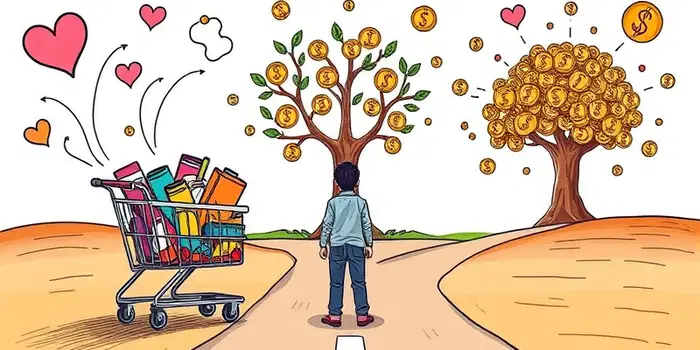
Spending is not purely a mathematical exercise; it is deeply intertwined with our emotions, identity, and social context. In the United States, research shows that aligning spending with values can profoundly improve both financial security and emotional well-being. This article explores the psychological foundations of spending, the traps of emotional impulses, and practical strategies to craft a healthier money mindset.
Why People Spend: Psychological Foundations
Money provides more than just tangible goods. Every purchase delivers a mix of value types that satisfy different needs. Recognizing these functions helps us understand why so-called “unnecessary” spending can feel essential at the moment.
- Functional value: essentials such as food, housing, and transportation.
- Emotional value: comfort, relief, novelty, or reward.
- Symbolic value: status, identity, aspiration, or belonging.
- Social value: strengthening relationships and community participation.
- Temporal value: lasting financial security and emotional wellbeing.
- Psychological control: agency during uncertain or chaotic periods.
Beyond these categories, cognitive biases shape our decisions. The present bias creating spending conflicts makes immediate rewards feel significantly more appealing than distant benefits. Hyperbolic discounting intensifies this effect—delaying saving by one day can feel disproportionately less painful than delaying by a year.
Limited mental bandwidth also plays a role. When overwhelmed by work, family, or information overload, people default to convenience and instant gratification. Reduction of decision-making friction in finances is crucial to support consistent healthy behaviors.
Emotional Spending
Emotional spending occurs when purchases are triggered by feelings rather than thoughtful evaluation of needs and long-term goals. While occasional treats are normal, habitual impulse buys can erode budgets and self-confidence.
Common emotional triggers include:
- Stress, anxiety, or uncertainty about the future
- Boredom or loneliness
- Fatigue after a challenging day
- Fear of missing out or deprivation
A 2025 Bank of America survey found that 45% of U.S. adults reported impulsive spending due to stress or anxiety, with Gen Z leading at 66% and Boomers the lowest at 23%. These figures highlight how emotional states can override financial intentions.
We can model the emotional-spending loop to interrupt harmful cycles:
- Trigger: stress, boredom, or comparison.
- Urge: desire for relief, novelty, or reward.
- Purchase: immediate emotional shift.
- Short-term relief: momentary comfort.
- After-effect: guilt, debt, renewed stress.
- Reinforcement: repeat to escape negative feelings.
Practical interruption techniques:
- Name the emotion before purchasing.
- Wait 24 hours for nonessential buys.
- Remove saved payment details from apps.
- Unsubscribe from promotional messages.
- Take a walk or call a friend before checkout.
- Create a preapproved “joy” category in your budget.
- Record the trigger, purchase, and outcome.
Identity, Status, and Social Influence
Spending also shapes and reflects identity. Consumers use purchases to signal achievements, values, and group membership. For example, buying sustainable products may communicate environmental commitment, while high-end gadgets can signal professional success.
Social comparison amplifies spending pressures. On social media, curated images of travel, fashion, and lifestyle create unrealistic benchmarks. People often compare their real finances to others’ highlight reels, leading to impulsive or compensatory purchases.
To counter social influence:
- Ask: “Would I want this if nobody else could see it?”
- Set explicit social-spending boundaries for dining, gifts, and events.
- Reflect on whether a purchase supports your true values or imitates others.
Cognitive Biases That Influence Purchases
Several well-studied biases skew our spending decisions. Understanding them allows us to design countermeasures.
Practical Strategies to Master Your Money Mindset
Building a sustainable spending approach involves systems that support your goals and reduce reliance on willpower alone. Consider the following strategies:
- Automate savings: channel a portion of income into savings or investments on payday.
- Use budgeting apps that categorize spending and send alerts for overspending.
- Designate specific accounts for bills, emergency funds, and discretionary spending.
- Practice regular reflection: review your purchases weekly to identify patterns.
- Set up reward milestones: celebrate reaching savings targets with small, planned treats.
- Engage an accountability partner or financial coach for support.
By creating alternative responses to emotional triggers and managing spending through automated savings tools, you can shift from reactive purchases to intentional investments in your future. Align your money behaviors with your values, clarify specific goals, and use systems to minimize friction. Over time, these habits compound into greater financial freedom and peace of mind.
Mastering your money mindset is not about deprivation or rigid austerity. It is about purchasing patterns linked to social belonging that reflect your authentic self. With awareness, structure, and compassion, you can transform spending from an impulse-driven cycle into a purposeful practice that supports both your financial and emotional well-being.
References
- https://pmc.ncbi.nlm.nih.gov/articles/PMC8266115/
- https://link.springer.com/article/10.1186/s43093-025-00498-7?error=cookies_not_supported&code=7ce30936-0ff0-452c-8983-f09dc00ce9f6
- https://www.northwesternmutual.com/life-and-money/mindful-spending-is-the-new-flex-save-more-splurge-smarter/
- https://link.springer.com/article/10.1007/s40012-021-00331-w
- https://journals.plos.org/plosone/article/file?id=10.1371/journal.pone.0294466&type=printable
- https://www.mckinsey.com/industries/consumer-packaged-goods/our-insights/how-todays-consumers-are-spending-their-time-and-money
- https://newsroom.wf.com/news-releases/news-details/2025/Consumers-Continue-to-Navigate-Persistent-Inflation-by-Changing-Life-Plans-Say-They-Want-to-Learn-New-Money-Behaviors-According-to-Second-Annual-Wells-Fargo-Money-Study/default.aspx
- https://www.mckinsey.com/industries/consumer-packaged-goods/our-insights/the-state-of-the-us-consumer-2025
- https://newsroom.bankofamerica.com/content/newsroom/press-releases/2025/07/confronted-with-higher-living-costs--72--of-young-adults-take-ac.html
- https://www.federalreserve.gov/econres/notes/feds-notes/tracking-consumer-sentiment-versus-how-consumers-are-doing-based-on-verified-retail-purchases-20250424.html
- https://pmc.ncbi.nlm.nih.gov/articles/PMC10202057/