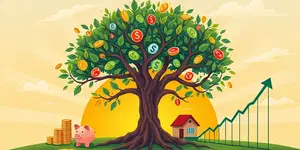
In a world of instant gratification and rising costs, saving can feel like a distant dream. Yet with the right approach, every coin you set aside becomes part of a powerful journey.
By treating saving as a system, rather than a sacrifice, you transform modest deposits into lasting security and long-term growth.
Why Saving Is a System, Not a Sacrifice
Too often, people view saving as an immediate cutback—an unwelcome reduction in today’s comforts. But saving can be reframed as a series of small, visible decisions that build momentum over time.
Three forces make this approach effective:
- Consistency: Regular contributions accumulate even when each amount is small.
- Automation: Automatic transfers remove the temptation to spend impulsively.
- Compounding: Returns generate returns, magnifying your efforts over years.
These elements work together. A dollar set aside today could become two or three dollars decades later, thanks to compound growth and time.
Building a Buffer with Small Balances
Start with just a few dollars. Research from 2025 shows that only 63% of U.S. adults could cover a $400 emergency. Even at that modest goal, many people fall short.
Yet a small reserve offers immediate financial resilience. It can absorb routine shocks—a car repair, a medical copay—without resorting to high-interest debt.
Data reveal a strong link between monthly cash-flow surplus and readiness: 86% of adults who always had money left over each month had at least three months’ expenses saved, compared with only 13% of those who never had a surplus.
Turning Intentions into Habits with Automation
Manually saving can feel tedious. Automated transfers, set to coincide with payday, remove friction. Once you see your balance grow, saving becomes an effortless daily habit.
Begin with a modest automatic deposit—perhaps $5 or $10 per paycheck. After several months, you’ll have laid the groundwork for bigger contributions.
- Link a savings account with your payroll or checking account.
- Schedule weekly or monthly transfers.
- Gradually increase the amount when you receive raises or bonuses.
Understanding the Power of Compound Growth
Compound interest means you earn interest on both your original deposits and on past interest. Over long time horizons, this effect becomes dramatic.
To illustrate, consider hypothetical monthly contributions at a 5% annual return (compounded monthly):
Keep in mind these numbers are hypothetical examples, not guarantees. They assume a steady return, no fees or inflation. Yet they highlight the principle: duration and consistent saving can transform modest sums into substantial balances.
Emergency Funds: Purpose and Target Size
An emergency fund is your safety net for unexpected expenses or income interruptions. It differs from money set aside for planned costs, like annual insurance or a vacation.
Follow a step-by-step approach:
- Accumulate a small “first-response” reserve (e.g., $500).
- Build toward covering one month of essential expenses.
- Aim for three to six months of expenses, adjusting for job stability, income variability, and support networks.
This three-to-six-month guideline is flexible: freelancers or single-income households may need more, while those with stable salaries and backup resources may choose a leaner target.
Separating Saving from Investing
Saving typically means using liquid, low-risk accounts to secure near-term needs. Investing involves accepting risk to pursue long-term growth in assets like stocks or bonds.
Use this practical framework:
- Money needed within 1–3 years stays in a savings vehicle for liquidity and stability.
- Funds earmarked for retirement or distant goals belong in diversified investments, guided by your risk tolerance and time horizon.
- Never rely on selling volatile investments to cover immediate emergencies.
Making Future Increases Easier
Once your automation is in place, boosting your savings is painless. Consider increases when you:
- Receive a pay raise or bonus.
- Pay off a debt.
- Enjoy a tax refund or reduced household expenses.
- End a subscription or recurring payment.
Remember the mantra: save the increase before lifestyle spending absorbs it. By locking in higher contributions, you keep pace with your growing income and goals.
Crafting a Lifelong Savings Mindset
Saving is not a one-time event; it’s a lifelong journey. Embrace the idea that every deposit, however small, contributes to a reliable financial habit that serves you in times of need and prosperity.
Celebrate milestones along the way—a first $1,000 emergency fund, the habit of automated deposits, or the growth of your investment portfolio. These successes reinforce your commitment and motivate further progress.
Conclusion: From Small Change to Big Gains
The art of saving lies in understanding that small, repeated actions become meaningful through consistency, automation, and compounding. National data remind us that many lack basic reserves, yet you can choose a different path.
By building a buffer, automating habits, and harnessing compound growth, you transform minor sacrifices into lasting security. Separate short-term safety nets from long-term investments, and adjust your targets as your life evolves.
Start now with just a few dollars. Over months and years, you’ll see how duration and repeated contributions can turn small change into big gains—fueling resilience, opportunity, and peace of mind.
References
- https://www.federalreserve.gov/publications/2026-economic-well-being-of-us-households-in-2025-savings-investments.htm
- https://fred.stlouisfed.org/series/EMERGENCYSAVINGSALLADULTS
- https://www.bankrate.com/banking/savings/emergency-savings-report/
- https://www.federalreserve.gov/consumerscommunities/sheddataviz/emergency-savings-table.html
- https://www.ssa.gov/policy/docs/ssb/v70n4/v70n4p1.html
- https://www.bea.gov/taxonomy/term/746
- https://www.investor.gov/introduction-investing/investing-basics/save-and-invest/small-savings-add-big-money
- https://www.consumerfinance.gov/ask-cfpb/how-does-compound-interest-work-en-1683/
- https://academic.oup.com/book/63080/chapter/567013815
- https://www.federalreserve.gov/publications/2026-economic-well-being-of-us-households-in-2025-executive-summary.htm
- https://www.federalreserve.gov/publications/2025-economic-well-being-of-us-households-in-2024-savings-and-investments.htm
- https://www.investor.gov/additional-resources/spotlight/formerdirectorlorischock-directors-take/my-money-going-run-out-retirement
- https://fred.stlouisfed.org/series/psave
- https://finance.yahoo.com/personal-finance/banking/article/us-personal-savings-rate-154419568.html