Everyday small purchases can seem harmless in isolation, but over time they silently erode your financial health. This article helps you uncover the hidden costs of everyday spending and regain control of your budget.
Understanding Micro-Spends
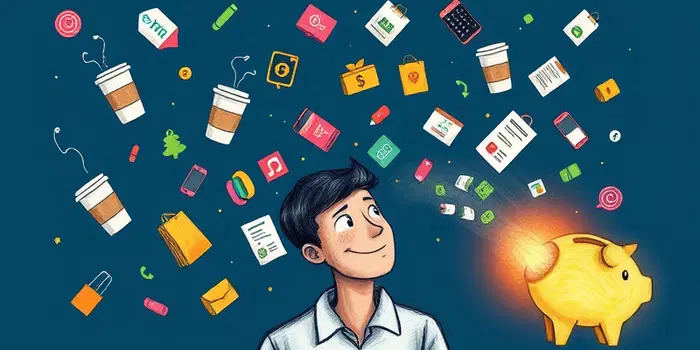
Micro-spends are low-value, frequent discretionary purchases that often escape notice. They include coffee shop drinks, delivery fees, convenience-store snacks, in-app digital extras, and unplanned social outings. While each purchase feels negligible, the cumulative effect can amount to hundreds or thousands of dollars annually.
The key factor is frequency is often more important than price. A $4 latte bought five times per week costs roughly $780 per year. Add snacks, quick rideshares, and small impulse buys, and your monthly outflow escalates rapidly. Recognizing this pattern is the first step toward financial awareness.
Why Micro-Spending Goes Unnoticed
Several psychological and practical factors cloak these expenditures. One is mental accounting and psychological categories. People often classify a $200 utility bill as serious, but treat a $4 coffee as a trivial indulgence separate from the “real” budget.
Digital payments further reduce friction. Contactless cards, mobile wallets, one-click checkouts, and saved payment details make purchases effortless. When cash isn’t exchanged, it’s easy to overlook each transaction’s impact.
Spending also fragments across accounts—credit cards, bank apps, food-delivery platforms, and digital stores. Without consolidation, you may track each source but miss the overall total, leaving a blind spot in your finances.
The Psychology Behind Micro-Spending
Micro-spends deliver immediate reward over delayed benefit. Whether it’s caffeine, comfort food, or a small digital upgrade, the satisfaction arrives instantly, while the financial consequence—reduced savings or higher debt—emerges later.
These purchases follow habit loops: a cue (stress, boredom, or a notification), a routine (making the small purchase), and a reward (pleasure or relief). Left unchecked, the loop repeats automatically, making spending feel involuntary.
Emotional triggers also drive micro-spending. A recent survey found that many people use small treats to cope with stress or celebrate milestones. While comforting in the moment, these purchases can become a habit that undermines larger financial goals.
Research even suggests that caffeine can increase impulsivity. Shoppers who consumed coffee purchased more items and spent significantly more than those drinking decaffeinated beverages, illustrating how physiological state can influence spending self-control.
Conducting a Micro-Spend Audit
To untangle this web of small expenses, conduct a thorough audit. Start by reviewing bank and credit card statements, app transactions, and receipts for the past month.
- Food and beverages: coffee, bottled water, energy drinks, pastries, snacks, takeaway lunches, delivery charges
- Convenience fees: express shipping, rideshares, parking and ATM fees, pre-prepared foods
- Digital spending: in-app purchases, cloud upgrades, streaming subscriptions, paid newsletters, virtual goods
- Impulse buys: checkout displays, online flash sales, promotional upsells
Record each micro-spend in a simple spreadsheet or expense-tracking app. Include date, category, and amount. After a few weeks, patterns will emerge, revealing where your money silently leaks away.
Practical Strategies to Regain Control
Once you’ve identified key categories, apply these tactics to curb unnecessary micro-spends and redirect funds toward meaningful goals.
Set daily or weekly budgets for discretionary spending. Allocating a fixed amount creates boundaries and encourages mindful choices. If you reach the limit, pause and reconsider the next purchase.
Use a single payment method for micro-spends. Consolidating transactions on one credit card or digital wallet simplifies tracking and prevents fragmentation.
Batch small indulgences. Instead of daily splurges, designate a weekly treat budget. This reduces friction from temptation and amplifies appreciation when you do indulge.
Automate savings by redirecting the estimated monthly total of micro-spends into a savings or investment account. This replaces habitual spending with a concrete financial gain.
Plan ahead for convenience. Bring homemade snacks and drinks to avoid impulse purchases. Map out errands to minimize parking fees or rideshare costs.
Regularly review subscriptions and app memberships. Cancel or pause those you rarely use. Small recurring charges often slip under the radar but add up quickly over time.
Building Sustainable Financial Habits
Tracking micro-spends is more than a one-time exercise. It’s about cultivating building long-term financial habits that align daily choices with broader aspirations. Incorporate weekly check-ins to gauge progress and adjust budgets as needed.
Reflect on the emotional drivers behind your spending. Replace compulsive purchases with healthier coping strategies—exercise, meditation, or creative hobbies—that deliver reward without draining your finances.
Conclusion
Micro-spends may feel inconsequential, but their aggregate impact on your budget is undeniable. By shining a light on these hidden transactions and implementing targeted strategies, you reclaim control over your finances.
Start today: conduct your audit, set boundaries, and transform small habits into powerful steps toward your long-term goals. With awareness and deliberate action, you can turn the tide on an invisible budget and channel every dollar toward what truly matters.
References
- https://riset.unisma.ac.id/index.php/jimmu/article/download/24801/17853/90671
- https://journals.sagepub.com/doi/10.1177/00222429221109247
- https://auditingaccounting.com/the-psychology-of-money-leaks-how-tiny-habits-drain-your-wealth
- https://kellercenter.hankamer.baylor.edu/news/story/2023/caffeinated-consumers-do-they-buy-more
- https://www.bps.org.uk/research-digest/drinking-coffee-shopping-can-lead-impulse-buying
- https://economictimes.indiatimes.com/news/international/us/psychology-says-shoppers-who-drink-coffee-before-heading-into-a-store-may-spend-more-than-they-planned-biswas-et-al-s-2022-experiments-found-caffeinated-shoppers-bought-more-items-and-spent-more/articleshow/132236972.cms
- https://www.associatedbank.com/education/articles/personal-finance/banking-basics/how-to-track-monthly-expenses
- https://pure.psu.edu/en/publications/caffeines-effects-on-consumer-spending/
- https://money.com/drinking-coffee-impulse-shopping-study/
- https://www.experian.com/blogs/ask-experian/best-budgeting-apps/
- https://www.cnbc.com/select/best-expense-tracker-apps/
- https://www.forbes.com/advisor/banking/best-budgeting-apps/
- https://www.surveymonkey.com/curiosity/treatonomics-consumer-spending/
- https://www.forbes.com/financial-services/best-budgeting-apps-2/