Personal loans have become a cornerstone of modern financing, offering flexibility and predictability for a wide range of purposes. Whether you need to fund a kitchen remodel or consolidate credit-card balances, these unsecured installment loans can simplify budgeting and help you achieve financial goals.
What Is a Personal Loan?
A personal loan generally provides a lump sum that you repay through fixed periodic payments over a defined term. Unlike mortgages or auto loans, most personal loans are unsecured installment credit, meaning they do not require collateral such as a home or vehicle.
Key characteristics include:
- Lump-sum funding in one installment
- Predictable fixed payment schedule
- Defined repayment periods, often two to five years
- Broad permitted uses for home repairs, emergencies, or major purchases
Before applying, check lender restrictions: some prohibit using proceeds for education, business ventures, or investments.
Understanding Interest Rates and Market Trends
Average APRs on personal loans vary widely based on lender, borrower profile, and loan term. Credible reported an average APR of 14.54% for three-year loans and 18.95% for five-year loans in September 2026. NerdWallet’s data showed 19.58% for borrowers with good credit, while Bankrate estimated a 12.44% APR for a $5,000, three-year loan to a borrower with a 700 FICO score.
Advertised rates span approximately 6% to 36%, influenced by credit score, income, debt-to-income ratio, and state regulations. Federal credit unions often offer lower rates; Bankrate cited a 10.72% average for three-year credit-union personal loans in Q3 2025.
Personal-loan balances are significant: Experian reported 67.5 million accounts nationwide in early 2026, totaling $597.6 billion. Another study cited $276 billion in unsecured loans in late 2025. Always label statistics by source to avoid confusion.
Most Common Uses of Personal Loans
Data from Credible’s marketplace illustrate popular reasons consumers borrow:
- Debt consolidation and credit-card refinancing: over $122.4 million disbursed in August 2026
- Home improvement projects: $14.1 million disbursed, average $21,633
- Major purchases like appliances: $8.5 million disbursed, average $16,083
- Bills or rent: $2 million disbursed, average $6,620
- Special occasions (weddings, vacations): $2.3 million disbursed, average $12,748
While purpose and pricing can correlate, the loan’s APR ultimately depends on creditworthiness, loan amount, and term. The table below compares average rates and credit scores by purpose:
This comparison shows that borrowers pursuing home improvement tend to have slightly stronger credit profiles, while those using loans for rent or bills may face higher rates.
Personal Loans for Home Improvement
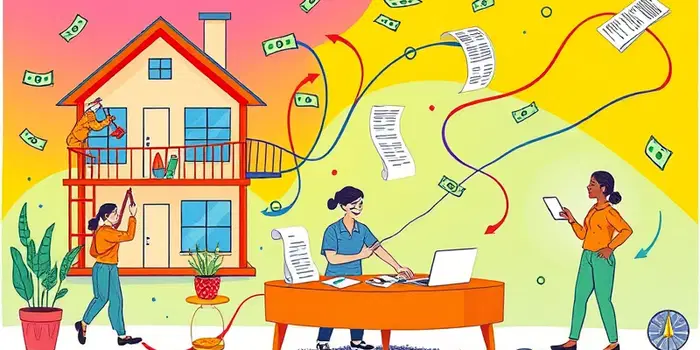
Homeowners tap personal loans to fund a variety of projects, from cosmetic upgrades to urgent repairs. Distinguishing between planned improvements and urgent emergency repairs can save money and stress. Planned projects allow time to compare contractor bids and loan offers; emergencies may require quick funding but often at higher cost.
- Kitchen or bathroom remodeling
- Roof, HVAC, electrical, or plumbing repairs
- Energy-efficiency upgrades and accessibility modifications
- Structural work, flooring, painting, and small renovations
- Unexpected damage from storms or accidents
National remodeling costs vary widely. In 2025, Angi estimated $52,275 on average to remodel a 1,250–1,600 sq ft home, but actual bids depend on location, labor, materials, and hidden damage.
Advantages and Disadvantages of Personal Loans
Advantages for Home Improvement
- No home equity is required, so loans remain unsecured
- Funding can be faster than home-equity products
- The borrower enjoys a predictable monthly payment for the loan term
- Finances projects larger than cash reserves but smaller than a mortgage refinance
Disadvantages and Caveats
- Interest rates may exceed those of home-equity loans or HELOCs
- Origination fees and closing costs can increase borrowing expense
- Loan payments continue even if renovations don’t boost home value
- Large-scale projects may exceed unsecured-loan limits
Always ask yourself whether borrowing solves a problem or simply postpones it, and compare APRs and loan terms carefully before committing.
Key Considerations Before Borrowing
Personal loans can empower your financial journey, but understand origination fees and annual percentage rate upfront, and verify any restrictions on fund usage. Assess your income stability and debt load to ensure the monthly payment is affordable throughout the term.
For emergencies, a personal loan may provide rapid relief, but credit cards or lines of credit could offer more flexible repayment options. For planned expenses, take time to shop lenders, negotiate terms, and secure the best possible rate. Always read the fine print and consult multiple lenders to find best rate before signing.
Conclusion
When used responsibly, personal loans can bridge budget gaps, refinance high-interest debt, and finance life’s biggest milestones—from home renovations to weddings. By understanding how APRs are determined, comparing marketplace offers, and aligning loan terms with your goals, you can turn borrowing into a strategic tool rather than a financial burden.
Whether you’re tackling a long-awaited remodel or consolidating balances for simpler budgeting, a well-chosen personal loan may be the key to unlocking your next chapter with confidence.
References
- https://www.credible.com/personal-loan/apr-trends
- https://www.nerdwallet.com/personal-loans/learn/average-personal-loan-rates
- https://www.bankrate.com/loans/personal-loans/average-personal-loan-rates/
- https://www.chase.com/personal/mortgage/education/owning-a-home/cost-to-remodel-house
- https://www.usatoday.com/story/money/2026/04/12/when-to-use-personal-loans-interest-rate/89549868007/
- https://www.wsj.com/buyside/personal-finance/personal-loans/best-personal-loans
- https://www.nationaldebtrelief.com/resources/personal-loan-debt-relief/personal-loan-debt-stats/
- https://www.debt.org/credit/loans/personal/when-are-they-a-good-idea/
- https://www.experian.com/blogs/ask-experian/personal-loan-usage-statistics/
- https://www.fool.com/money/research/personal-loan-statistics/
- https://www.federalreserve.gov/regulations/cg/crdtpracrul.htm
- https://www.experian.com/blogs/ask-experian/research/personal-loan-study/
- https://www.businesswire.com/news/home/20260914655060/en/Newrez-Survey-Finds-Credit-Card-Debt-Weighs-on-Homeowners-but-Most-Are-Confident-They-Can-Keep-Up-With-Mortgage-Payments
- https://www.consumeraffairs.com/finance/how-do-personal-loans-work.html
- https://www.rocketmortgage.com/learn/home-renovation-costs