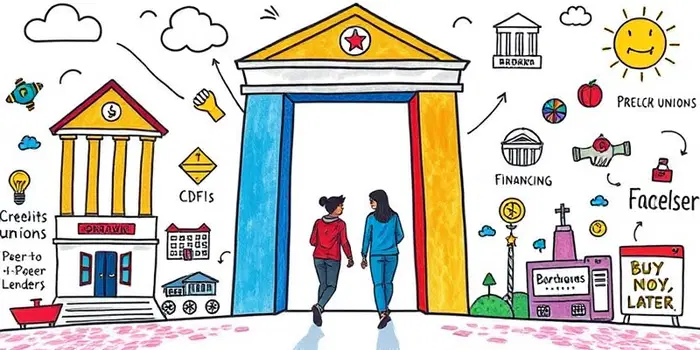
In today’s dynamic financial landscape, borrowers have more paths to credit than ever before.
The key question remains: which financing option best aligns with each borrower’s unique situation and repayment capacity?
Why Alternative Lending Matters
Traditional banks still dominate lending, but they are not always the quickest or most accessible choice. As borrowers face rejections or delays, alternatives step in with faster decisions and flexible underwriting.
Borrowers often turn to nonbank options when:
- They need funds swiftly for emergencies or opportunities.
- They have limited or irregular credit histories.
- They operate small or early-stage ventures.
- They seek specialized purchase financing.
Credit Unions: The Cooperative Gateway
Member-owned and not-for-profit, credit unions bridge personal relationships with solid financial services. They often consider broader personal circumstances beyond credit scores. Benefits include competitive interest rates and lower fees, personalized service, and federally insured deposits. However, membership requirements and variable product availability can slow the process.
Online and Fintech Lenders: Speed Meets Innovation
Fintech platforms leverage automated underwriting to evaluate credit scores, cash-flow data, and alternative indicators. This approach grants fast applications with instant offers. Platforms often deliver quick approvals, digital submissions, access for nontraditional applicants, and easy rate comparisons. Yet, higher interest rates, origination fees, opaque pricing structures, and extensive data-sharing practices pose significant risks.
Peer-to-Peer and Marketplace Lending
Platforms connect borrowers with individual or institutional investors, offering diversified funding beyond banks. In practice, most rely on institutional capital while retaining a marketplace model.
After an application, borrowers receive a risk grade and potential funding commitments. They then repay principal, interest, and any fees through the platform.
Risks include non-guaranteed funding, platform and investor fees, potential defaults, and varying regulatory protections compared to banks.
Community Development Financial Institutions (CDFIs)
CDFIs combine financing with technical assistance and coaching in underserved communities. Their mission-driven model seeks to promote responsible community-focused lending for small businesses, affordable housing, microenterprises, and individuals. While these lenders bring local expertise, limited funding availability and detailed application requirements may extend approval times.
Small-Business Loans and Specialized Financing
Businesses with short-term needs or specific projects can explore several nonbank options:
- Invoice financing and merchant cash advances for immediate working capital.
- Equipment financing and revenue-based financing linked to sales.
- Crowdfunding campaigns and Buy Now, Pay Later programs for targeted investments.
These products can be highly accessible for fast growth, but frequent repayments, blanket liens, and high fee structures demand careful planning.
Short-Term Lenders: Bridging Cash Flow Gaps
Short-term or payday-style lenders provide small-dollar loans with rapid disbursement. They fill urgent liquidity needs but often impose steep fees and high annualized percentage rates that can trap borrowers in cycles of debt.
Evaluating Your Best Fit
Selecting the right lender depends on multiple factors:
- Credit profile and history.
- Cash flow predictability and repayment capacity.
- Purpose and desired loan amount.
- Risk tolerance and cost sensitivity.
Always compare total repayment costs, including interest, fees, repayment frequency, collateral requirements, and consumer protections. A lower advertised rate may not translate to a lower overall cost.
Practical Steps for Borrowers
Before applying, assemble key documents: bank statements, tax returns, cash-flow projections, and a clear financing plan. Seek prequalification or rate quotes to minimize hard credit pulls and review sample repayment schedules.
Consider blending sources – such as a small credit union loan with a merchant cash advance – to optimize timing and pricing while reducing dependence on any single lender.
Looking Forward
The alternative lending ecosystem evolves with AI underwriting, decentralized finance, and partnerships between banks and fintech firms. Borrowers enjoy unprecedented choice but face heightened risk of overborrowing and privacy concerns.
By weighing speed, cost, and security, individuals and businesses can find tailored financing solutions that support immediate needs and long-term financial health. The right path is the one that aligns with your goals, fortifies your financial foundation, and respects your repayment strategy.
References
- https://www.federalreserve.gov/publications/2025-march-consumer-community-context.htm
- https://fedcommunities.org/watch-unlocking-voice-small-businesses-new-insights-2025-small-business-credit-survey/
- https://www.fedsmallbusiness.org/reports/survey
- https://www.chicagofed.org/publications/chicago-fed-insights/2025/2024-small-business-credit-survey
- https://www.fedsmallbusiness.org/analysis/2025/2025-survey-of-business-resource-organizations
- https://www.fedsmallbusiness.org/reports/survey/2025/2025-report-on-employer-firms
- https://www.fedsmallbusiness.org/about/media/2025/fed-survey-small-business-pandemic-recovery-20250327
- https://www.fedsmallbusiness.org/reports/survey/2025/2025-report-on-nonemployer-firms
- https://www.federalreserve.gov/newsevents/speech/barr20250324a.htm
- https://www.goodwinlaw.com/en/insights/publications/2025/03/insights-finance-cfs-yir-payday-and-small-dollar-lending
- https://www.consumerreports.org/short-term-lending/avoid-the-tricks-and-traps-of-buy-now-pay-later-loans-a3304129501/